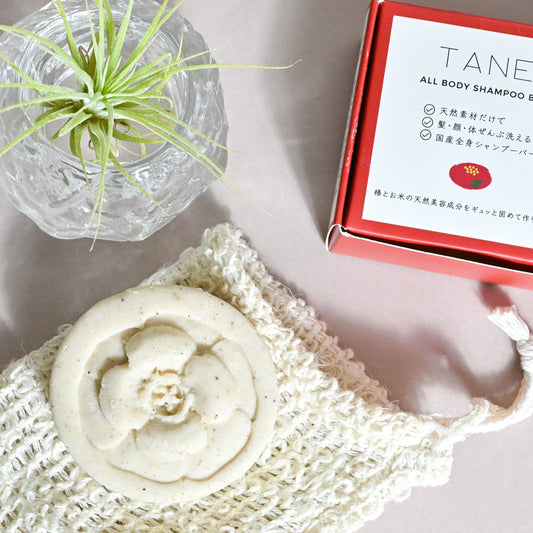
"What's the deal with dish soap bars?"
Recently, "recycled oil soap" has been gaining attention in the world of ethical living.
I've switched from liquid detergent myself and tried various options.
In this article, I've compiled my honest insights on the pros and cons I've experienced, as well as tips for making it sustainable, all from a realistic perspective.

What is a dish soap bar? Characteristics of recycled oil soap
A dish soap bar is a solid type of dishwashing detergent.
Among these, "recycled oil soap" is made by repurposing used cooking oil.
✔ Upcycles discarded oil
✔ No plastic bottles needed
✔ Low environmental impact
Due to these reasons, it is chosen by those who are ethically minded and those who want to reduce waste as much as possible.
Benefits I've experienced using it
1. Cleans effectively
It lathers up easily with just a light rub and effectively removes everyday grease.
It's perfectly adequate for daily dishwashing, and I didn't find it to be "less effective because it's solid."
2. Surprisingly easy once you get used to it
While it might be a bit confusing at first, once you get used to it, you just swipe the soap with a sponge.
There's no need to press a bottle every time like with liquid detergent, and sometimes it even feels smoother.
3. Less waste and a tidier kitchen
Eliminating the need to dispose of liquid detergent bottles makes life feel a bit lighter.
It's a small thing, but I find this accumulation of small changes quite satisfying.
Drawbacks and concerns
1. Not ideal for soaking
For burnt-on food or stubborn grime, liquid detergent is still easier to use in some situations.
I found it difficult to rely solely on solid soap for soaking.
2. Concerns about pipe clogging
I've heard concerns that "long-term use of solid soap can clog pipes."
While this likely depends on usage, rinsing methods, and pipe condition, those who are concerned might feel more at ease with regular pipe cleaning.
Dish soap bars are very convenient for everyday use.
However, my current experience is that it's difficult to completely eliminate liquid detergent for burnt food, stubborn stains, and soaking.

The key to continuing is a good "soap dish"
When using solid soap, I realized that the soap dish is surprisingly important.
✔ Poor drainage makes soap melt easily
✔ Tends to get slimy
✔ The placement can feel unsanitary
If these small stresses accumulate, it becomes difficult to continue using solid soap, even if you like it.
What I felt using a bamboo soap tray
So, I decided to try stocking a user-friendly bamboo soap tray with a rim.
Upon using it, I found that the rim prevents the soap from slipping, it drains well, and it looks neat.
I like how the natural texture blends in well with the kitchen.
✔ Rimmed to prevent soap from slipping off
✔ Drains well, preventing soap from melting easily
✔ Natural bamboo texture blends well with the kitchen
To comfortably continue using solid soap, I've realized that choosing the right tools, not just the soap itself, is important.
Dish soap bars are recommended for these people:
・Those who want to live an ethical and sustainable life
・Those who want to reduce plastic as much as possible
・Those who want to keep their kitchen neat and tidy
・Those who want to re-evaluate their everyday tools
On the other hand, for those who frequently deal with stubborn stains or do a lot of soaking, it's recommended to incorporate it flexibly, perhaps by using it alongside liquid detergent.

Summary
Dish soap bars are not so much a "complete replacement" as they are one option to subtly improve your daily life.
Perhaps the most comfortable approach is to integrate it in a way that suits you, without forcing it.
If you're interested in solid soap, I recommend starting by setting up a user-friendly environment, including a good soap dish.